Local vs. Cloud AI: Why 2026 is the Year of “On-Device” Intelligence
The Privacy Pivot In the early days of AI, everything was processed in massive, energy-hungry data centers (the Cloud). In 2026, the trend has reversed. We are now in the…

The Death of the “Prompt Engineer” In 2024, the world was obsessed with learning the perfect “prompt.” In 2026, that era is over. Generative AI 2.0 has moved beyond simply…
The “Invisible” Software Era For decades, we interacted with “Apps”—static icons on a screen. In 2026, the app icon is dying. Instead, we use Agentic Workflows. You no longer open…
Beyond Binary Quantum computing has long been a “five years away” technology. But in 2026, we’ve seen the first commercially viable Fault-Tolerant Quantum Computers. Unlike traditional computers that use bits…
The “uncanny valley” of Marketing In 2026, AI personalization has reached a level that feels like mind-reading. Your favorite e-commerce site doesn’t just know what you bought; it predicts what…
The Shift from SPA to Hybrid For nearly a decade, Single Page Applications (SPAs) built with React were the default. However, in 2026, the industry has hit a “bundle-size wall.”…
The $1B Solo-Founder In 2026, we are seeing the first “Unicorn” startups (valued over $1B) that have fewer than five full-time employees. This is made possible by the Visual Logic…
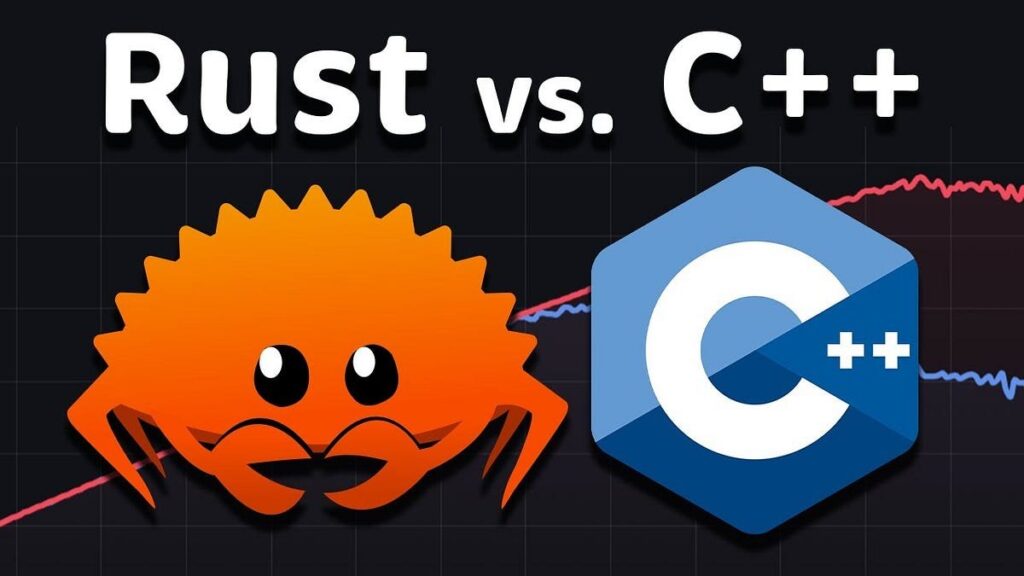
The Memory Safety Mandate In early 2026, several major government agencies (including the US CISA) issued a formal recommendation: Cease the use of memory-unsafe languages like C and C++ for…
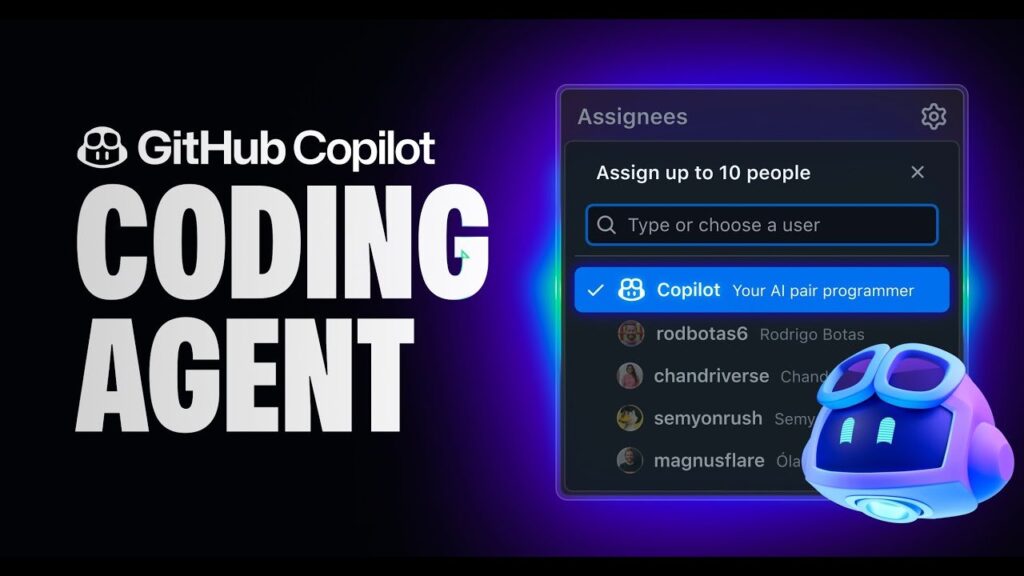
From Autocomplete to Co-Architect In 2024, AI helped you finish a line of code. In 2026, GitHub Copilot Workspace helps you build entire features from a GitHub Issue. The “Agentic”…
The Era of “Cloud-Native” is Over In 2026, we are talking about “Cloud-Agnostic” architectures. Companies are moving away from being “locked-in” to a single provider like AWS. Instead, they use…